
Energiemonolith für Kommunen
Der Energiemonolith unterstützt Städte und Gemeinden dabei, eine klimaneutrale Wärmeversorgung für Kommunen umzusetzen. Öffentliche Gebäude können nachhaltiger betrieben, Energiekosten langfristig stabilisiert und vorhandene kommunale Flächen energetisch genutzt werden. Sportplätze, Schulhöfe, Parkplätze oder Grünflächen tragen so zur kommunalen Wärmeversorgung bei, ohne ihre eigentliche Funktion dauerhaft einzuschränken.
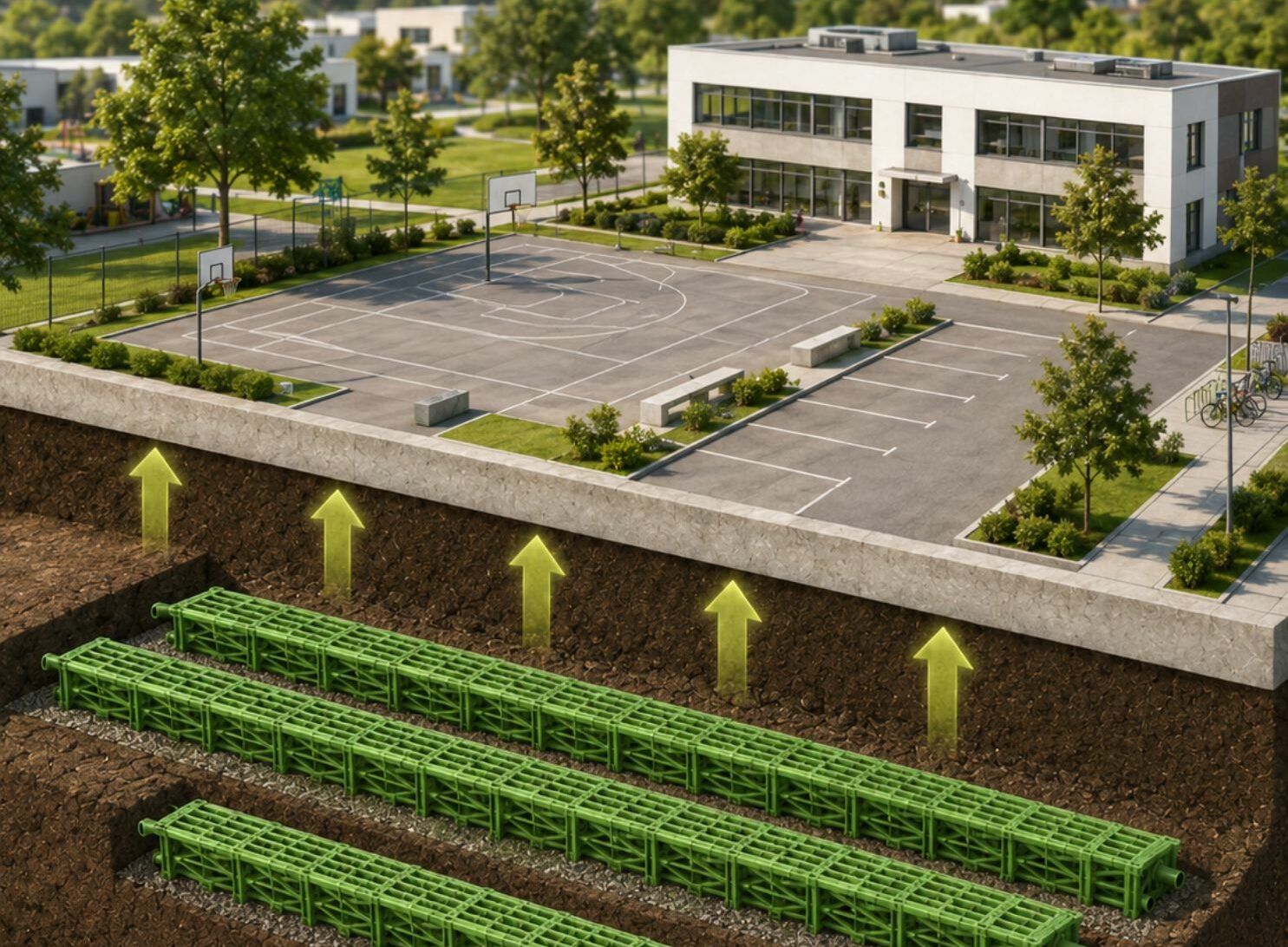
Klimaneutrale Wärmeversorgung für Kommunen
Der Energiemonolith unterstützt Städte und Gemeinden dabei, eine klimaneutrale Wärmeversorgung für Kommunenumzusetzen. Öffentliche Gebäude können nachhaltiger betrieben, Energiekosten langfristig planbarer gemacht und vorhandene kommunale Flächen energetisch genutzt werden.
Sportplätze, Schulhöfe, Parkplätze oder Grünflächen können zur kommunalen Wärmeversorgung beitragen, ohne ihre eigentliche Funktion dauerhaft einzuschränken. So entsteht eine Lösung, die Klimaschutz, Flächennutzung und Versorgungssicherheit sinnvoll miteinander verbindet.
Mehr darüber, was hinter dem System steckt, erfahren Sie auf der Seite Was ist der Energiemonolith?
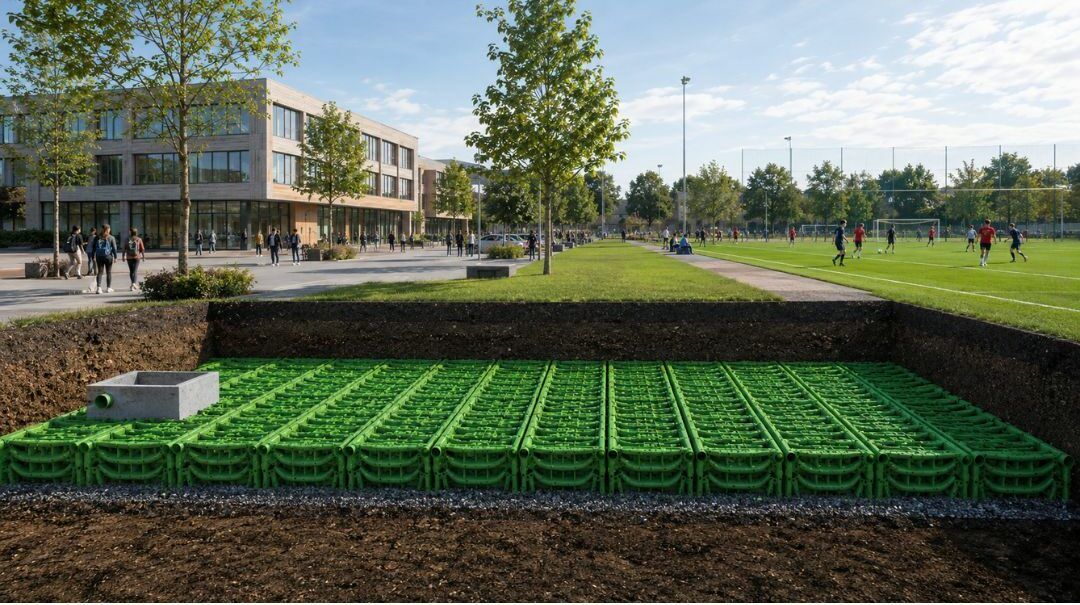
Kommunale Flächen energetisch nutzen
Viele Kommunen verfügen über Flächen, die bisher kaum energetisch genutzt werden. Dazu gehören zum Beispiel Parkplätze, Schulhöfe, Sportanlagen, Grünflächen oder Verkehrsflächen. Der Energiemonolith macht es möglich, solche kommunalen Flächen energetisch zu nutzen und daraus einen Mehrwert für die lokale Wärmeversorgung zu schaffen.
Dabei bleibt die ursprüngliche Nutzung der Fläche weitgehend erhalten. Die Flächen werden nicht dauerhaft blockiert, sondern intelligent in ein nachhaltiges Energiekonzept eingebunden. Besonders für Städte und Gemeinden mit begrenztem Platzangebot kann das ein wichtiger Vorteil sein.
Wie die technische Umsetzung funktioniert, wird auf der Seite Funktionsweise des Energiemonolithen genauer erklärt.
Energiekosten in Kommunen langfristig senken
Steigende Energiepreise stellen viele Städte und Gemeinden vor große Herausforderungen. Der Energiemonolith kann dabei helfen, Energiekosten in Kommunen zu senken und langfristig besser planbar zu machen. Durch die Nutzung vorhandener Flächen entsteht eine lokale Lösung, die weniger abhängig von externen Energiequellen ist.
Gerade bei öffentlichen Gebäuden wie Schulen, Sporthallen, Verwaltungsgebäuden oder kommunalen Einrichtungen kann eine stabile Wärmeversorgung langfristig Kosten reduzieren. Gleichzeitig entsteht mehr Planungssicherheit für Haushalte, Investitionen und zukünftige Energieprojekte.
CO₂-Reduktion für Städte und Gemeinden
Kommunen spielen eine wichtige Rolle beim Klimaschutz. Der Energiemonolith unterstützt Städte und Gemeinden dabei, ihre Klimaziele zu erreichen und den CO₂-Ausstoß im Bereich Wärmeversorgung zu reduzieren. Dadurch entsteht ein konkreter Beitrag zur CO₂-Reduktion in Kommunen.
Besonders im Gebäudebestand ist der Wärmebedarf oft hoch. Wenn öffentliche Gebäude nachhaltiger mit Wärme versorgt werden, lassen sich Emissionen langfristig senken. So wird aus vorhandener Infrastruktur ein aktiver Baustein der kommunalen Wärmewende.
Weitere Informationen zum Gesamtkonzept finden Sie auf der Seite Energiemonolith Startseite.
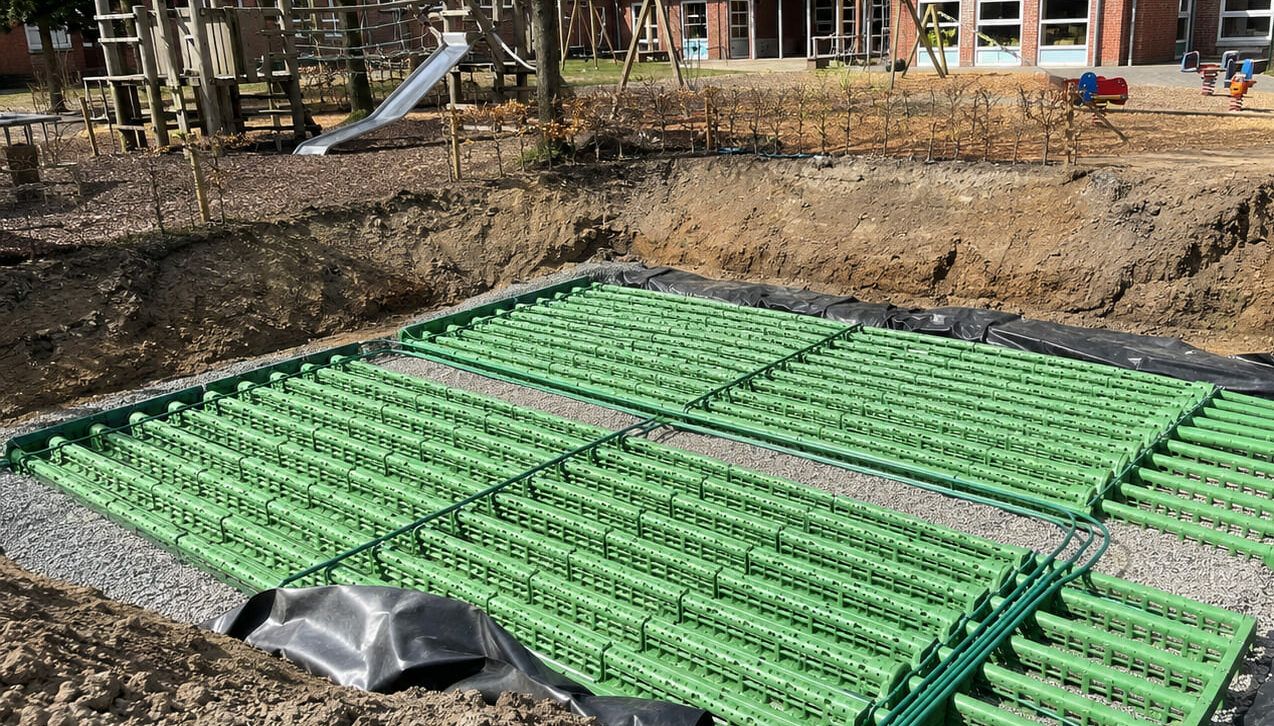
Wärmeversorgung für öffentliche Gebäude
Öffentliche Gebäude benötigen eine zuverlässige und wirtschaftliche Wärmeversorgung. Dazu gehören Schulen, Kindergärten, Sporthallen, Rathäuser, Verwaltungsgebäude oder weitere kommunale Einrichtungen. Der Energiemonolith kann diese Gebäude in ein modernes Energiekonzept einbinden.
Die Lösung eignet sich besonders für Kommunen, die ihre Wärmeversorgung nachhaltiger gestalten möchten, ohne vorhandene Flächen dauerhaft aufzugeben. So entsteht eine Verbindung aus Versorgungssicherheit, Klimaschutz und effizienter Nutzung kommunaler Infrastruktur.
Passende Projektpartner finden Sie auf der Seite Partnerunternehmen des Energiemonolithen.
Contracting-Modell für kommunale Wärmeprojekte
Ein großer Vorteil des Energiemonolithen ist die Möglichkeit, Projekte über ein Contracting- oder Investorenmodell umzusetzen. Kommunen müssen dadurch nicht zwangsläufig die gesamten Investitionskosten selbst tragen. Stattdessen können geeignete Flächen bereitgestellt und gemeinsam mit erfahrenen Partnern genutzt werden.
Das Contracting-Modell für kommunale Wärme erleichtert den Einstieg in eine klimaneutrale Wärmeversorgung. Städte und Gemeinden erhalten eine planbare Lösung, ohne direkt hohe Anfangsinvestitionen leisten zu müssen. Das macht den Energiemonolithen besonders interessant für Kommunen, die nachhaltig handeln möchten, aber ihre Haushalte entlasten müssen.
Einsatzbereiche in Städten und Gemeinden
Der Energiemonolith kann in verschiedenen kommunalen Bereichen eingesetzt werden. Besonders interessant sind Flächen und Gebäude, die regelmäßig genutzt werden und einen hohen Wärmebedarf haben. Dazu zählen Schulen, Sporthallen, Verwaltungsgebäude, öffentliche Parkplätze, Bauhöfe oder größere kommunale Grundstücke.
Auch bestehende Infrastrukturflächen können sinnvoll eingebunden werden. So entsteht eine Lösung, die sich an die Anforderungen der jeweiligen Kommune anpassen lässt. Der Energiemonolith ist damit nicht nur für einzelne Gebäude interessant, sondern auch für größere kommunale Energiekonzepte.
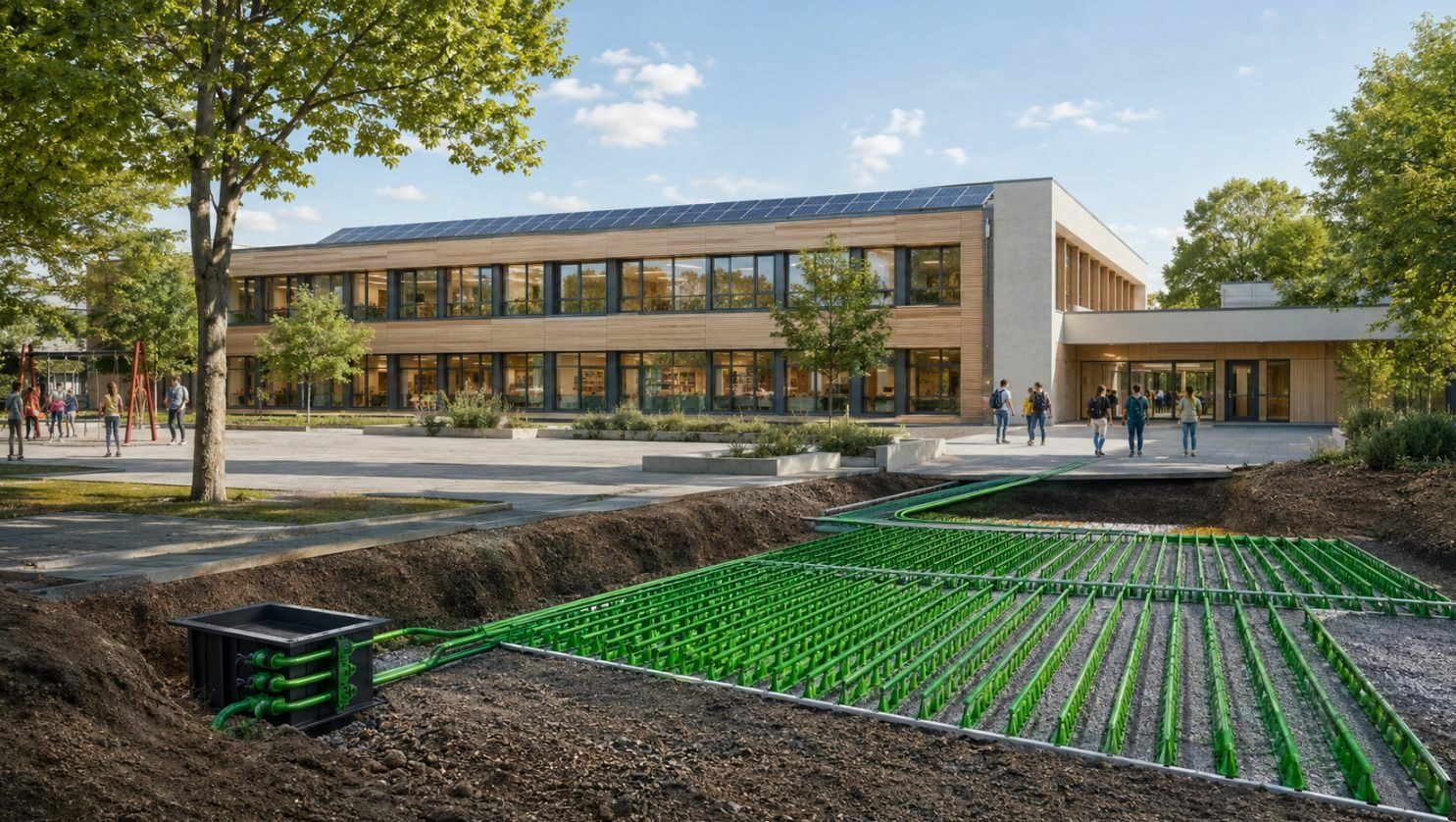
Vorteile des Energiemonolithen für Kommunen
Der Energiemonolith verbindet mehrere Vorteile in einer Lösung. Kommunen können vorhandene Flächen besser nutzen, ihre Wärmeversorgung nachhaltiger gestalten und langfristig mehr Planungssicherheit schaffen. Gleichzeitig unterstützt das System die kommunale Wärmewende und hilft dabei, Klimaschutzziele konkret umzusetzen.
Ein weiterer Vorteil ist die flexible Umsetzung. Je nach Standort, Fläche und Bedarf kann geprüft werden, wie der Energiemonolith sinnvoll in bestehende Strukturen integriert wird. Dadurch entsteht keine Standardlösung, sondern ein Konzept, das zur jeweiligen Stadt oder Gemeinde passt.
Gemeinsam kommunale Wärmeprojekte umsetzen
Jede Kommune hat unterschiedliche Anforderungen. Deshalb beginnt ein Projekt immer mit einer Prüfung der vorhandenen Flächen, Gebäude und Ziele. Anschließend kann bewertet werden, wie der Energiemonolith zur klimaneutralen Wärmeversorgung beitragen kann.
Ziel ist eine Lösung, die technisch sinnvoll, wirtschaftlich planbar und langfristig nutzbar ist. Kommunen erhalten dadurch die Möglichkeit, konkrete Schritte in Richtung Wärmewende zu gehen und ihre vorhandenen Flächen aktiv für eine nachhaltige Zukunft einzusetzen.
Von der Fläche zur konkreten Projektprüfung
Schulhof, Parkplatz oder andere kommunale Flächen können Ausgangspunkte einer Prüfung sein. Zunächst werden Gebäudeenergiebedarf, verfügbare Flächen und anstehende Bauarbeiten zusammengeführt. So lässt sich beurteilen, ob und wie eine oberflächennahe Erdwärmelösung in das Vorhaben passt.