
Energiemonolith - nachhaltige Wärmegewinnung mit oberflächennaher Geothermie
Die Zukunft der Wärmegewinnung liegt unter unseren Füßen. Der Energiemonolith nutzt oberflächennahe Geothermie, moderne Hochleistungskollektoren und speziell aufbereiteten Flüssigboden, um nachhaltige Wärme direkt aus dem Erdreich für Gebäude nutzbar zu machen.
Das System eignet sich für Gebäude, Verkehrsflächen, Parkplätze, Freiflächen, Schulen, Kitas und kommunale Infrastruktur. So entsteht eine effiziente, überbaubare und wirtschaftliche Lösung für moderne Wärmeversorgung ohne klassische Tiefenbohrung.
Was ist der Energie-Monolith?
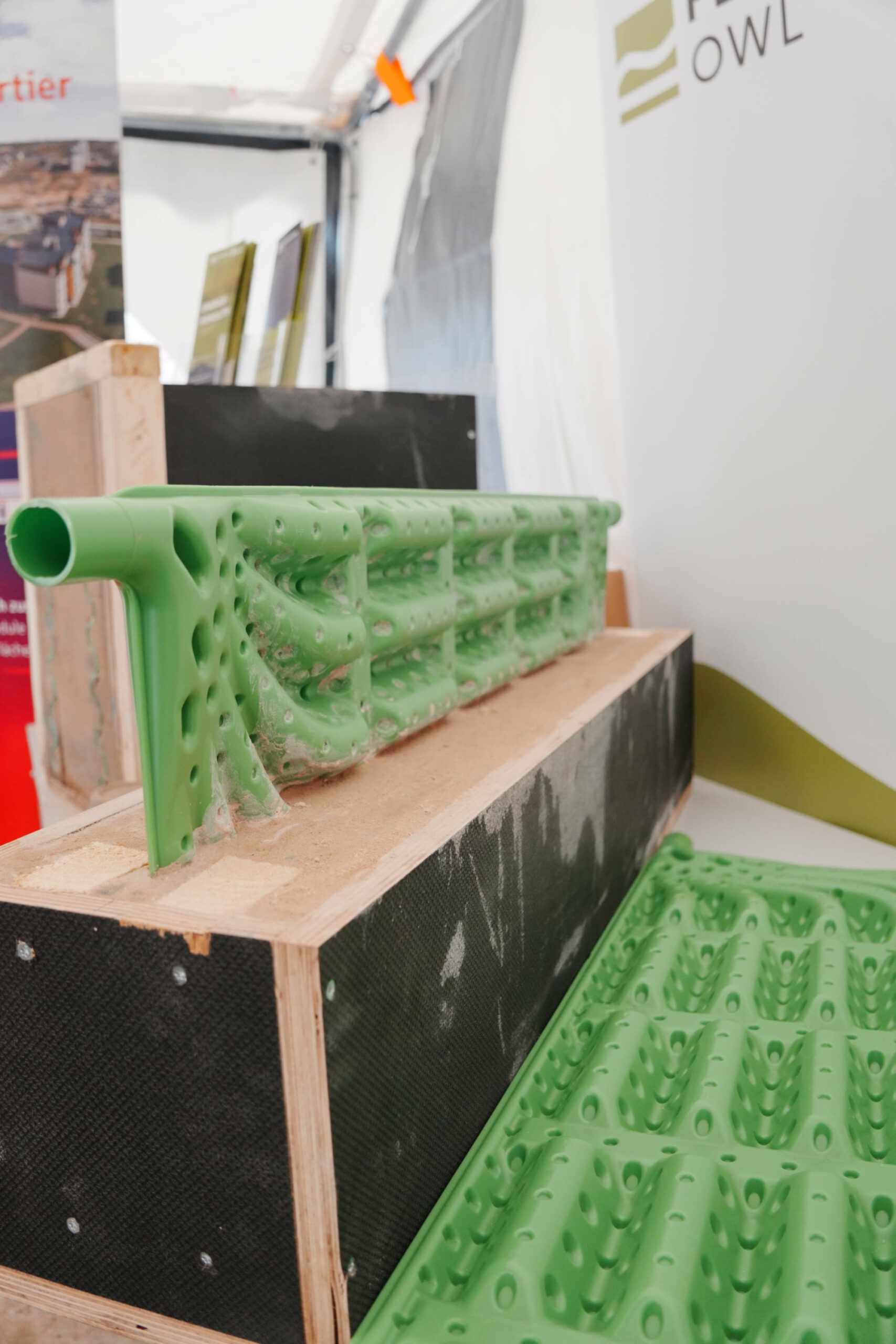
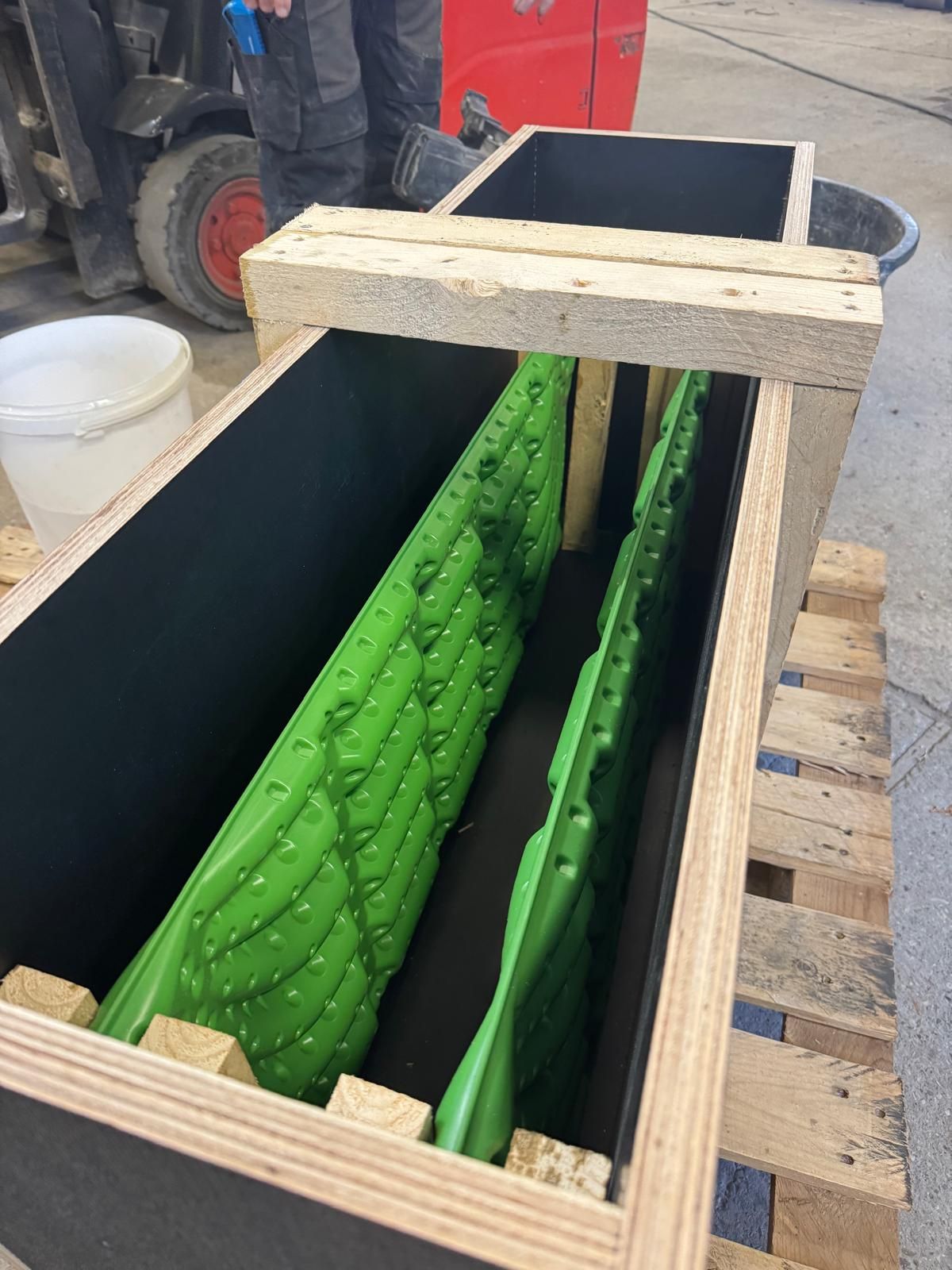
Der Energiemonolith verbindet moderne Hochleistungskollektoren mit speziell aufbereitetem Flüssigboden. Das System nutzt die im Erdreich gespeicherte Sonnenwärme und macht sie ganzjährig für Gebäude nutzbar – effizient, nachhaltig und nahezu überall einsetzbar.
Im Winter:
Dem Erdreich wird Wärme entzogen und für die nachhaltige Wärmeversorgung des Gebäudes nutzbar gemacht.
Im Sommer:
Der Boden kann sich durch natürliche Sonneneinstrahlung und Umgebungswärme regenerieren – ganz ohne zusätzliche externe Energiezufuhr.
Der Energiemonolith ist damit eine Alternative zur klassischen Erdwärmenutzung und eignet sich besonders für Projekte, bei denen vorhandene Flächen sinnvoll energetisch genutzt werden sollen.
Wie funktioniert der Energiemonolith?
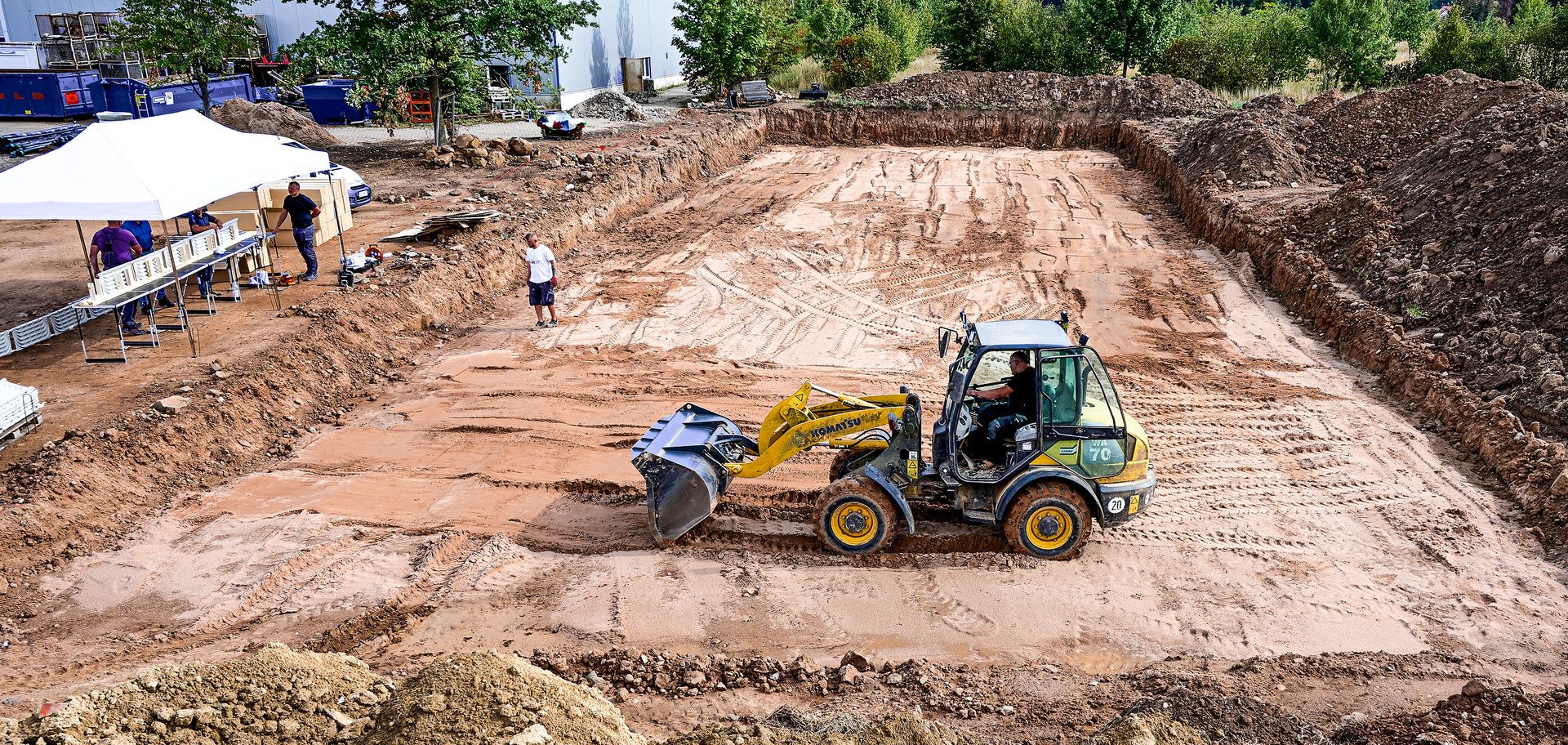
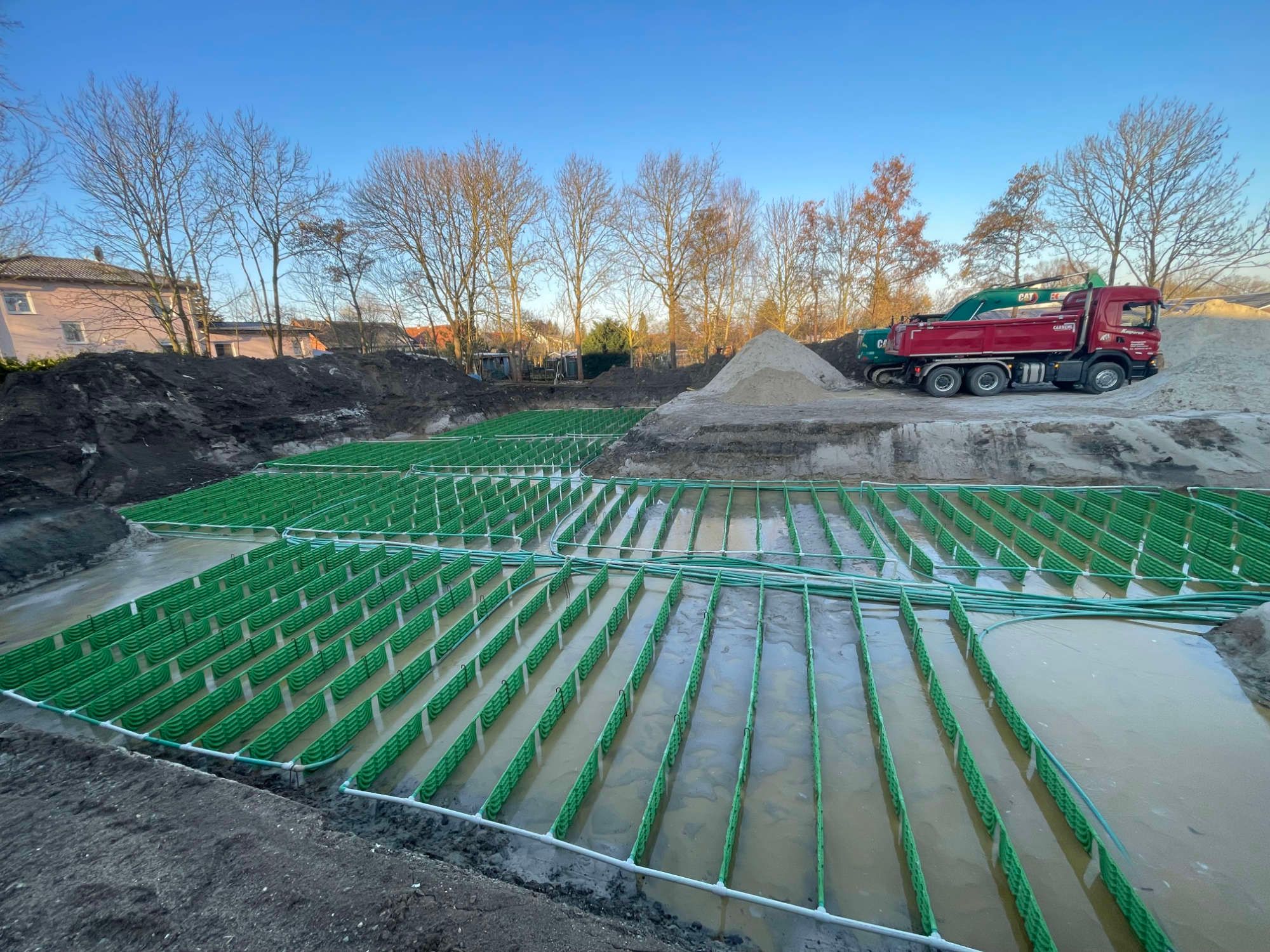
Der Energiemonolith nutzt oberflächennahe Geothermie. Spezielle Erdwärmekollektoren werden in geeignete Flächen eingebettet und nehmen Wärmeenergie aus dem Boden auf. Über ein Wärmeträgersystem wird diese Energie zur Wärmepumpe transportiert und dort für Heizung, Warmwasser oder Kühlung nutzbar gemacht.
Ein großer Vorteil liegt in den stabilen Temperaturen im Erdreich. Im Vergleich zu reinen Luftwärmepumpen ist das System weniger abhängig von starken Außentemperaturschwankungen. Dadurch kann die Wärmeversorgung besonders effizient und langfristig planbar umgesetzt werden.
Mehr zu der Funktionsweise des Energiemonolithen finden Sie hier.
Erdwärme unter Verkehrsflächen, Gebäuden und Freiflächen nutzen
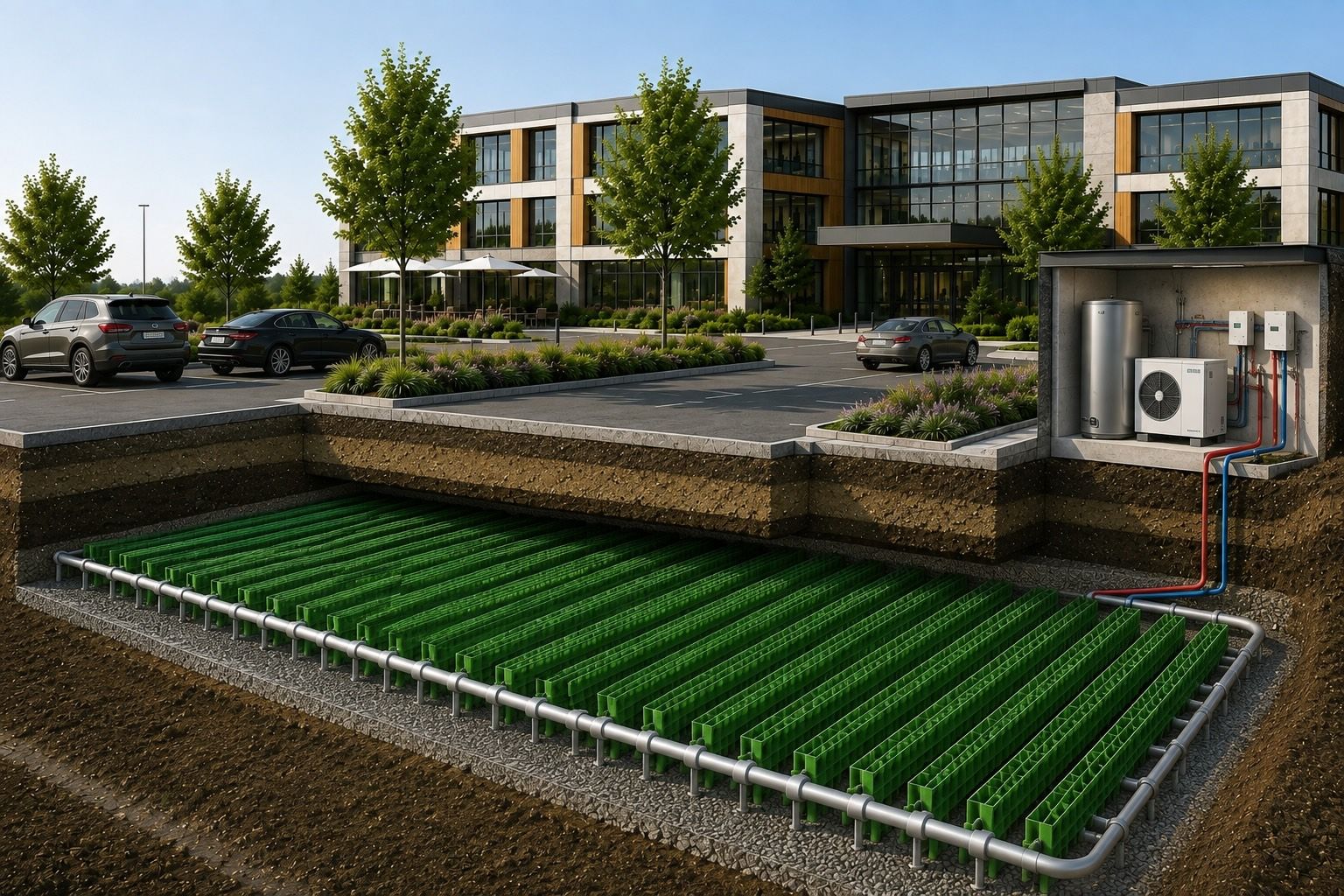
Erneuerbar, effizient und direkt vor Ort: Der Energiemonolith macht oberflächennahe Geothermie und Erdwärme wirtschaftlich nutzbar – sogar unter Gebäuden, Straßen, Parkplätzen, Spielplätzen oder Grünflächen.
Vorhandene Flächen werden dadurch doppelt genutzt. Während sie oberirdisch weiterhin als Parkplatz, Straße, Schulhof, Sportfläche oder Außenanlage dienen, kann im Untergrund nachhaltige Wärme gewonnen und gespeichert werden.
Das macht den Energiemonolithen besonders interessant für Kommunen, Gewerbeflächen, öffentliche Gebäude, Neubauten und Bestandsprojekte mit begrenztem Platzangebot
Einsatzbereiche des EnergieMonolithen
Erneuerbar, effizient und direkt vor Ort: Der Energie-Monolith macht oberflächennahe Geothermie und Erdwärme wirtschaftlich nutzbar – sogar unter Gebäuden, Straßen, Parkplätzen oder Spielplätzen.

Unter Freiflächen und Verkehrsflächen
Der Energie-Monolith ist überbaubar und eignet sich daher ideal für Erdwärme unter Straßen, Parkplätzen, Wegen oder anderen stark genutzten Flächen.

Unter Gebäuden
Mit dem Energie-Monolithen lässt sich auch der Raum unter Gebäuden effizient zur Wärmegewinnung und Speicherung nutzen – ohne klassische Tiefenbohrung.

Unter Sport- und Spielplätzen
Dank seiner stabilen und schwingungsdämpfenden Eigenschaften kann das System auch unter sensiblen Flächen eingesetzt werden, ohne die Nutzung dauerhaft einzuschränken.

Für Schulen und Kitas
Der Energie-Monolith ermöglicht eine nachhaltige Wärmeversorgung direkt unter der Einrichtung – ohne den laufenden Betrieb oder den Außenbereich dauerhaft einzuschränken.

In Parks und Grünanlagen
Grünflächen bleiben nutzbar, während im Untergrund klimafreundliche Energie gewonnen wird. So lassen sich Parks und Anlagen sinnvoll energetisch nutzen.
Warum sich der Energie-Monolith lohnt
Optimale Energieübertragung
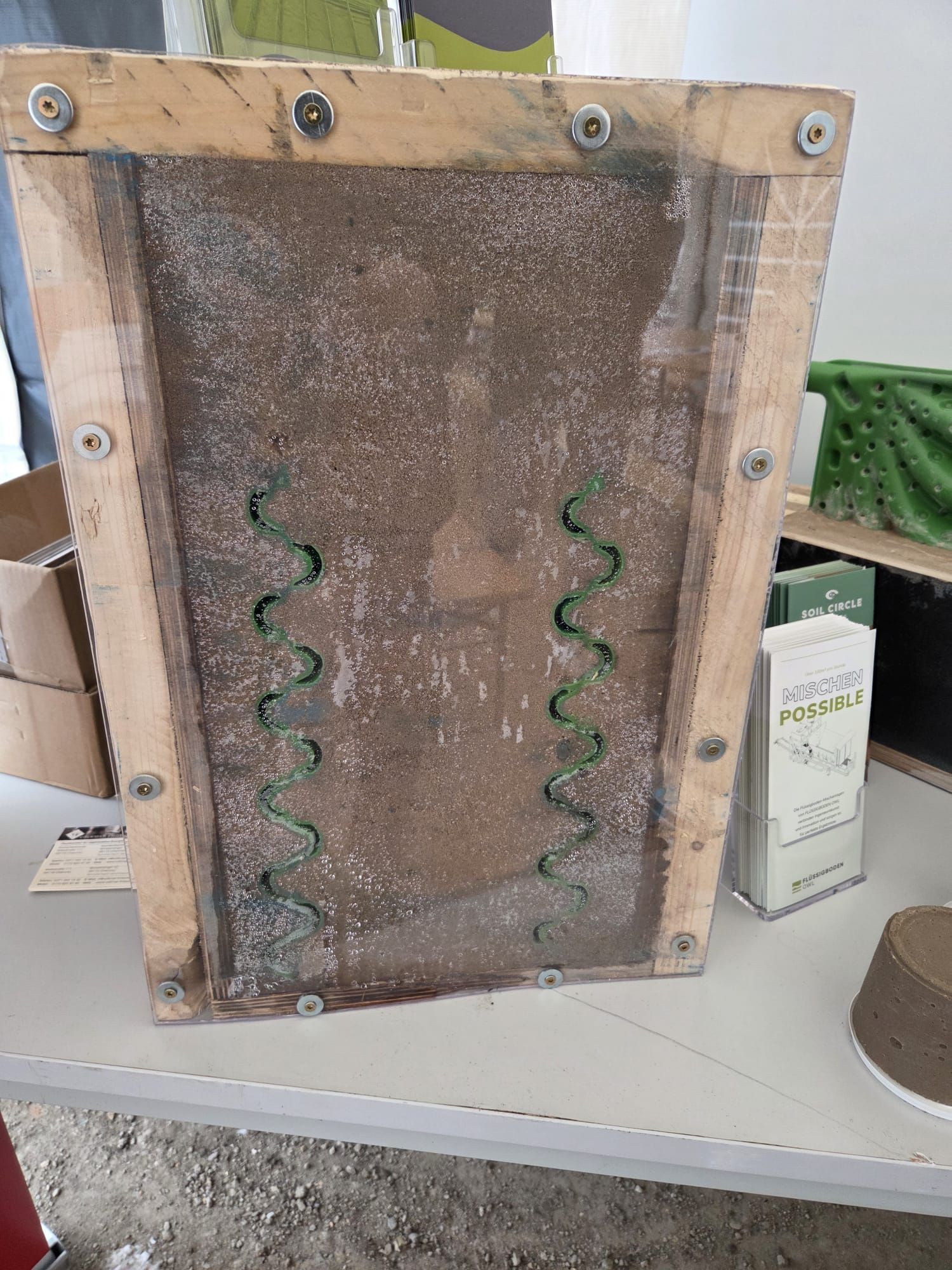
Durch die flüssige Einbettung liegt der Kollektor lückenlos im Boden an. So kann Wärme besonders effizient aufgenommen, gespeichert und an das System übertragen werden.
Überbaubar & dauerhaft stabil
Ob unter Straßen, Parkplätzen oder Gebäuden: Die Festigkeit des Flüssigbodens kann passend zum Einsatzbereich eingestellt werden. Dadurch bleibt die Fläche langfristig stabil und nutzbar.
Abdichtung und Schwingungsdämpfung
Der speziell aufbereitete Flüssigboden kann abdichtend wirken und Schwingungen dämpfen. Das schafft zusätzliche Sicherheit, besonders in der Nähe von Verkehrsflächen oder sensiblen Bereichen.
Kostensenkung durch Wiederverwendung
Vorhandener Boden kann direkt vor Ort wiederverwendet werden. Das reduziert Entsorgungsaufwand, spart Transportwege und kann die Baukosten deutlich senken.
Weniger Flächenverbrauch
Auch kleine Flächen, innerstädtische Grundstücke oder bereits genutzte Bereiche können energetisch eingebunden werden. So entsteht nachhaltige Wärmeversorgung, ohne zusätzliche große Flächen zu benötigen.
Energiemonolith für Kommunen, Gebäude und Infrastruktur
Der Energiemonolith eignet sich besonders für Kommunen, öffentliche Einrichtungen, Gewerbeimmobilien und größere Infrastrukturprojekte. Bestehende Flächen wie Parkplätze, Schulhöfe, Sportanlagen oder öffentliche Außenbereiche können zur nachhaltigen Wärmegewinnung genutzt werden.
Für Städte und Gemeinden bietet das System die Möglichkeit, CO₂-Emissionen zu reduzieren, Energiekosten langfristig planbarer zu machen und kommunale Flächen sinnvoll in die Wärmeversorgung einzubinden.
Qualität durch Flüssigboden, Tiefbau und spezialisierte Partner
Ein zentraler Bestandteil des Energiemonolithen ist die fachgerechte Einbettung der Erdwärmekollektoren. Dabei kann speziell aufbereiteter Flüssigboden eingesetzt werden. Er sorgt für eine gute Wärmeübertragung, schützt die Kollektoren und ermöglicht eine dauerhaft stabile Nutzung der Fläche.
Gerade bei Verkehrsflächen, Parkplätzen oder Gebäuden ist die Verbindung aus Geothermie, Flüssigboden und Tiefbau entscheidend. Planung, Bau, Tiefbauarbeiten, Flüssigboden und Systemintegration greifen dabei ineinander. Spezialisierte Partnerunternehmen sorgen dafür, dass die einzelnen Schritte fachgerecht geplant und umgesetzt werden.
So entsteht eine qualitätsgesicherte Komplettlösung für nachhaltige Wärme- und Kälteversorgung mit oberflächennaher Geothermie, die technische Funktion und bauliche Stabilität miteinander verbindet.